

MATERIA PRIMA
The invisible process
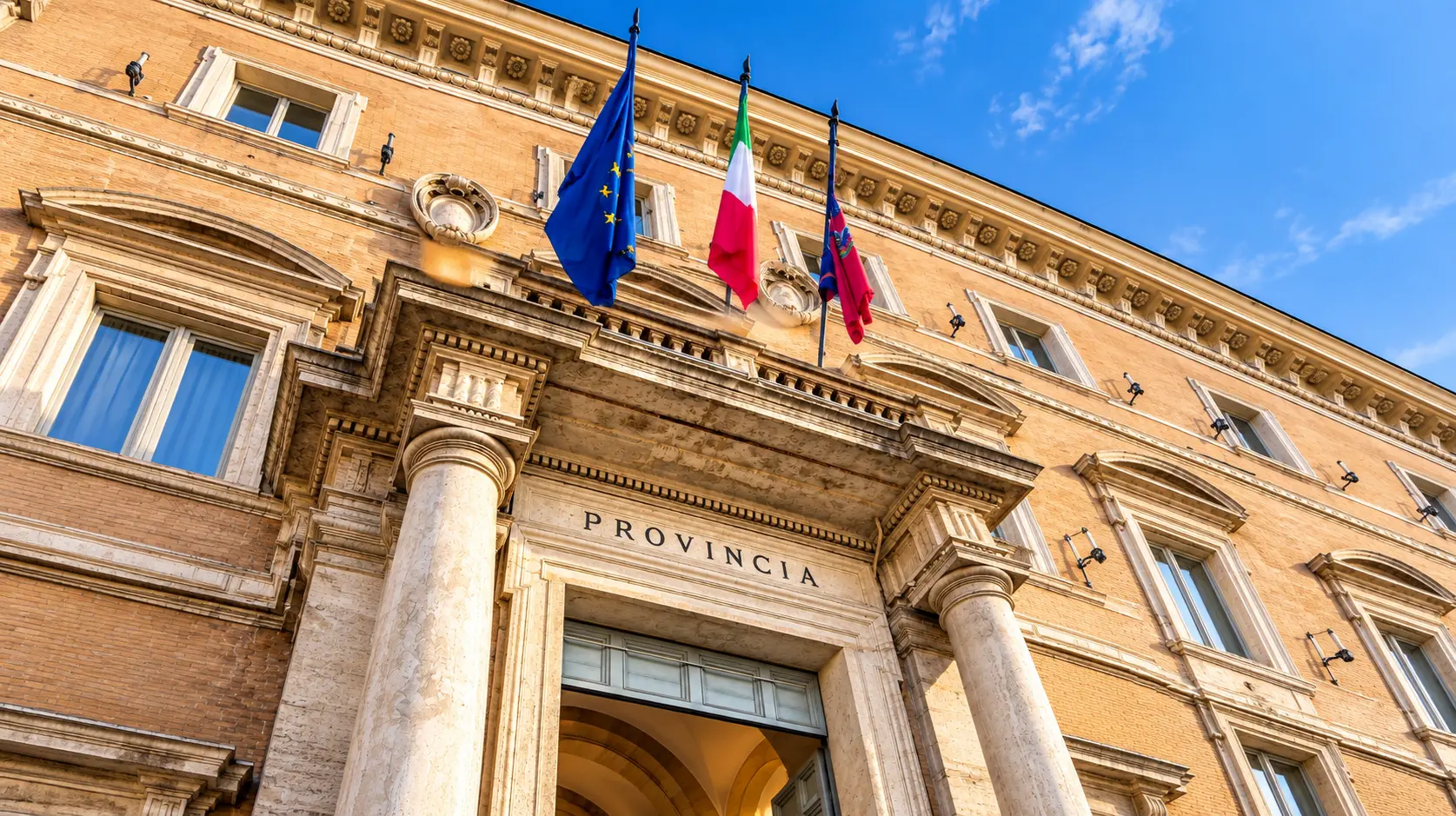
25 September 2026 · Palazzo Valentini, Rome
Nuove frontiere tra tessile, food, arte & design
For a week, Rome became a diffuse laboratory of ideas, experimentation and exchange.
On 25 September, in the spaces of Palazzo Valentini, “Nuove frontiere tra tessile, food, arte & design” brought together different realities and professionals around a shared theme: rethinking materials and the processes that transform them.
Organised by Heritage Collective APS and Carbon Carpet ETS, the event opened a discussion on the relationship between natural resources, recovered materials, technology, product culture and new ways of producing.
Among the topics addressed were the value of natural raw materials — with particular attention to hemp —, the environmental impact of the textile and fashion sector, and the possibility of building production models able to connect sustainability, innovation and new economic opportunities.
The discussion also involved the world of education and culture, highlighting the value of an ecosystem able to connect companies, professionals, students, universities, academies and cultural institutions.
From material to process
Material is the starting point.
But between a material, an idea and the product we can see, wear and use, there is a process made of observation, interpretation, decisions and skills.
It is precisely that normally hidden part that we chose to bring in front of the public.
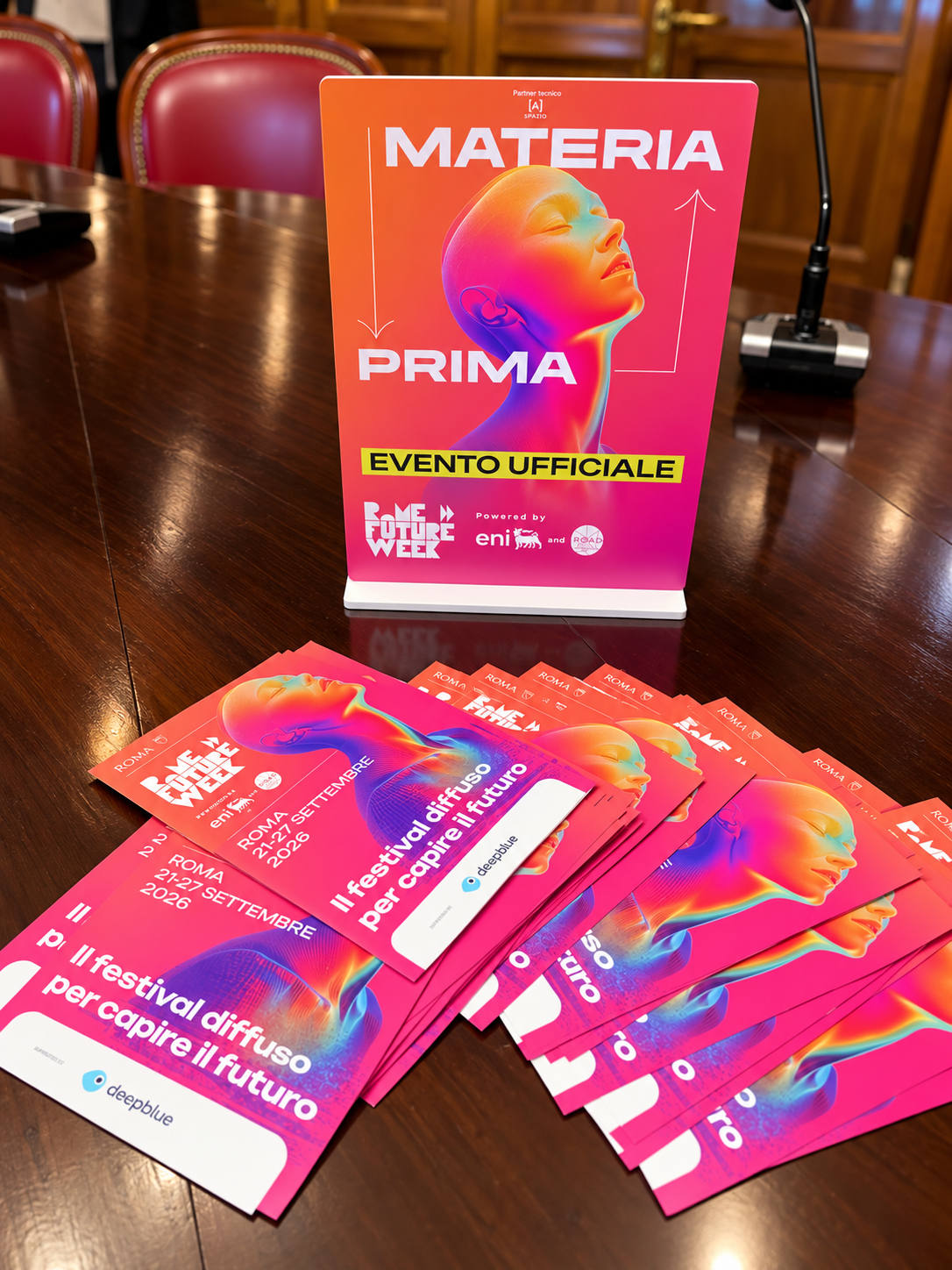
Materia Prima
The invisible process
“One jacket. Three professionals. 90 minutes. One process. One single challenge.”
A single garment as a guiding thread to show what happens before the finished product.
Not three separate demonstrations, but three skills acting on the same process.
Three skills.
One single process.
- 01
Patrizia Valentini
Moulage
The journey starts from the direct relationship between body, material and volume.
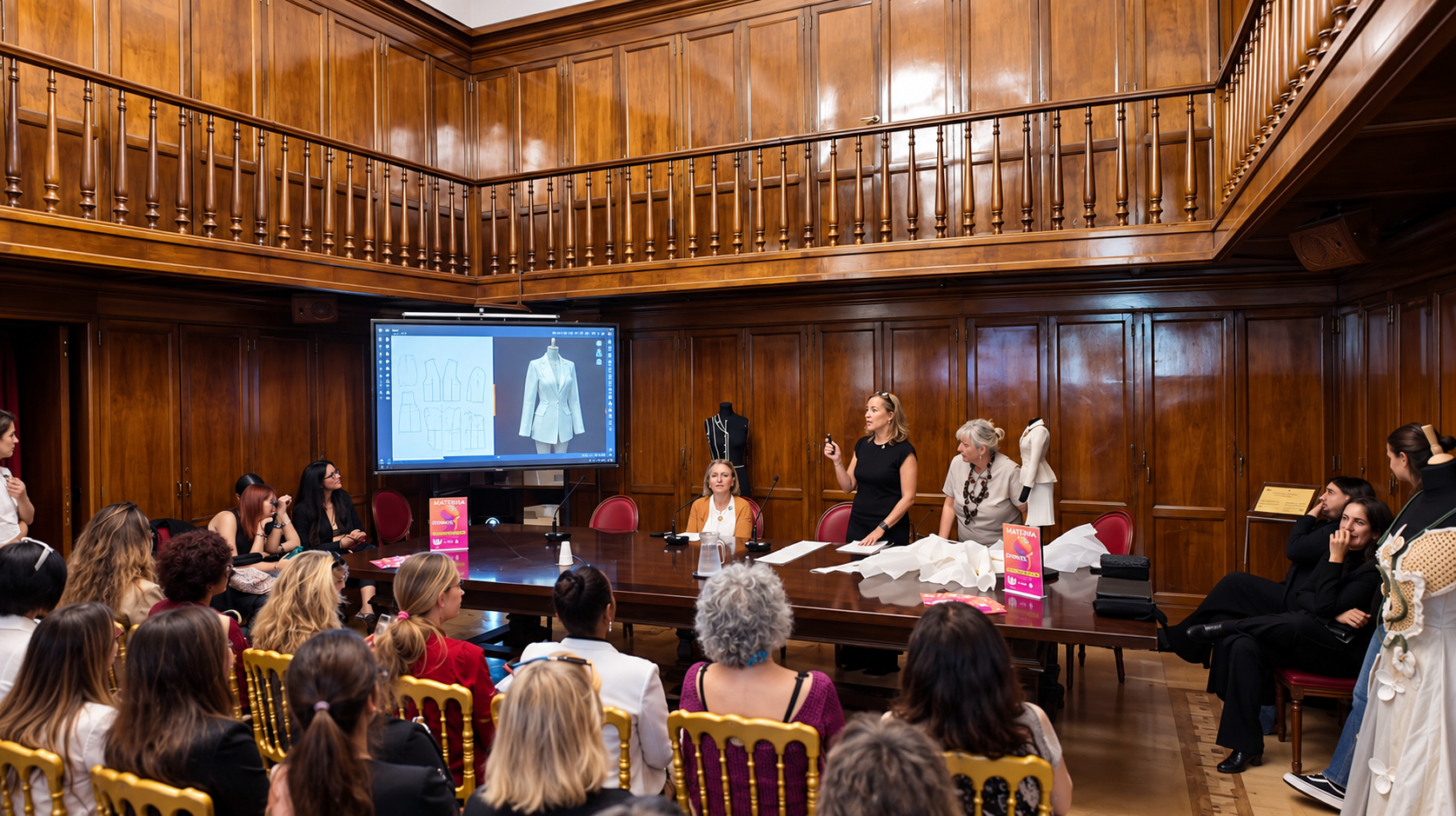
Through moulage, Patrizia Valentini showed the construction of shape directly on the body, making visible the dialogue between material and volume before its translation into the pattern.
- 02
Francesca Fiorentini — 55SENSI
Pattern making and digital development
The volume then enters pattern making and the digital space.
Through the pattern and 3D simulation, Francesca Fiorentini showed how it is possible to observe garment behaviour, analyse its shape and proportions, and verify design decisions before reaching physical material.
- 03
Emilia Scaccia — SPAZIO 2.0
Prototyping
The journey finally returns to material through prototyping and construction.
The project becomes physical, and what has been thought through, built and verified meets fabric and realisation.
MoulagePattern makingDigitalPrototyping
Designing before producing
For 55SENSI, sustainability is not only about which material we choose.
It is also about how we decide to use it.
Through MorphoCode™, we observe and interpret the relationships between body, volume, shape and pattern before acting on construction.
3D brings this analysis into a digital verification space: it allows us to observe garment behaviour, compare solutions and make decisions before moving on to the physical prototype.
Solving first,
rather than correcting afterwards.
Anticipating a check means being able to avoid unnecessary physical activities: additional prototypes, fabric consumption, shipments, travel, meetings and waiting times between one phase and the next.
It does not mean eliminating the prototype.
The physical prototype remains a fundamental stage of product development. It means reaching it with more information, more awareness and decisions already verified.
ObserveInterpretAct
This is where MorphoCode™ and 3D meet in our way of working: not as technology for its own sake, but as tools of a process that seeks to use material, time and resources only when they are genuinely needed.
The story of the day
A story of the day at Palazzo Valentini, of the people, themes and experiences that shaped “Nuove frontiere tra tessile, food, arte & design”.
People, skills, connections
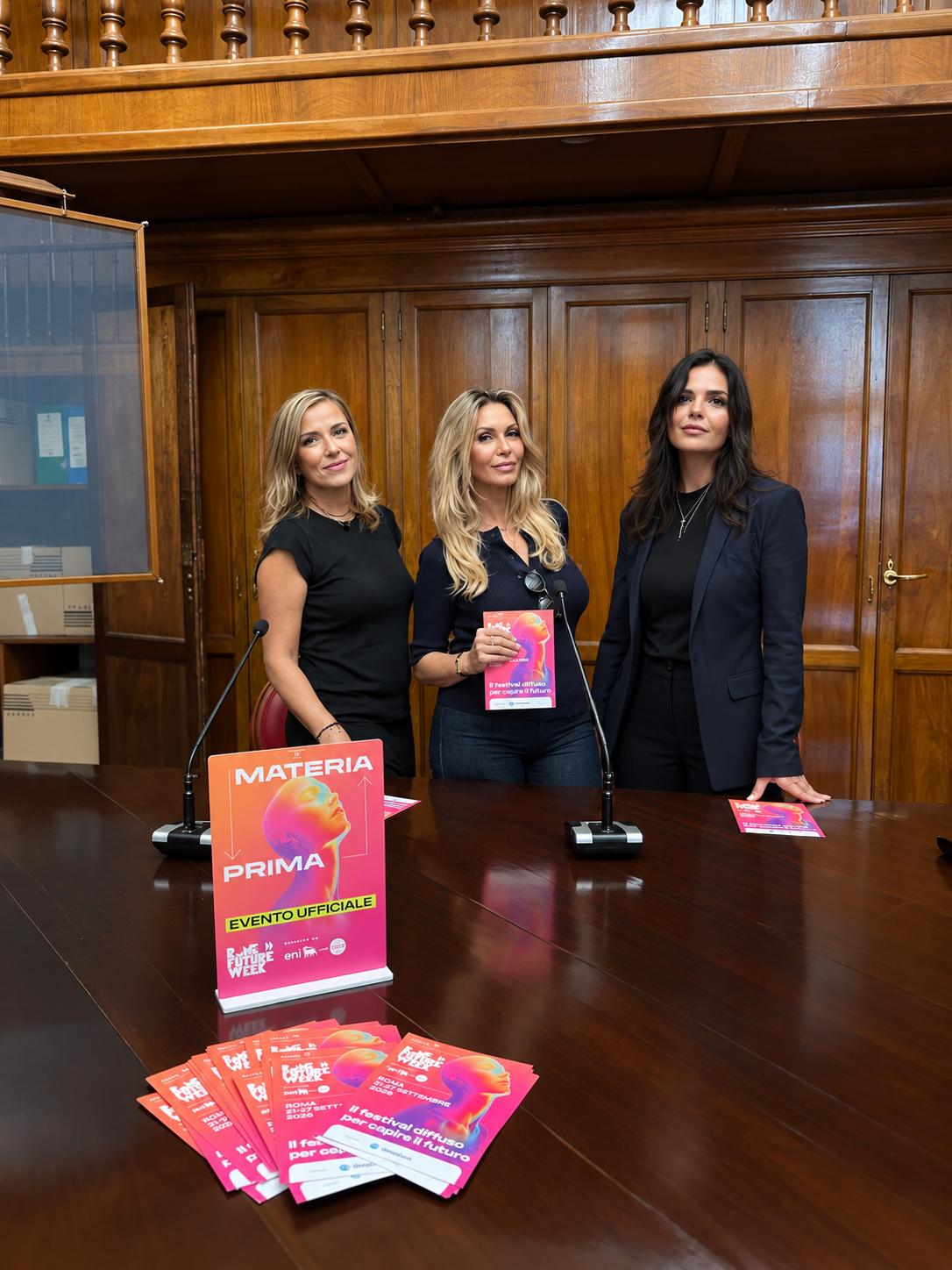
Materia Prima was also a meeting place for professionals, businesses, education, culture and institutions.
The discussion that took place during the day connected different skills around a shared question: how can we design and produce more responsibly, bringing knowledge, material and innovation into dialogue?
The day was promoted by Heritage Collective APS and Carbon Carpet ETS, with the participation, among others, of Rita Salimbeni, Linda Meleo and Daniele Diaco. The video report was produced by TeleAmbiente.
The product is visible.
The process that makes it possible,
often is not.
IdeaProjectProduct
Turning ideas into products.