
The sustainability we do not see
Better design means reducing errors, samples, time and costs. But also building technical assets capable of generating value over time.
- Author
- Roberta Masci
- Date
- 12 September 2026
- Reading time
- 7 minutes

When discussing sustainability in fashion, thoughts almost automatically turn to materials: recycled fibres, certified fabrics and lower-impact production processes.
These are fundamental aspects. But there is a form of waste that occurs long before a garment reaches production and often remains invisible.
It is the waste generated by imprecise decisions, undefined standards, repeated samples, late corrections, information that changes from one supplier to another and products that reach the market without fully meeting the customer's needs.
For 55SENSI, this too is sustainability.
01 — A design error does not cost just once
Let us imagine an apparently simple problem: the fit of a product category is not entirely consistent with the customer the brand wishes to target.
We can work on the individual garment. Correct the sample. Modify a measurement. Ask the supplier for another trial.
The garment may improve.
But the underlying problem remains.
With the next collection, we start again from almost the same point: new styles, new suppliers, new interpretations, new corrections.
This is where a technical problem becomes an economic problem.
Every iteration takes time. Every new sample uses material, manufacturing operations and transport. Every correction involves people. Every piece of non-standardised information must be interpreted again.
And if an inadequate fit reaches the product sold to the customer, the potential cost becomes even more significant: lost sales, returns, unsold stock and a progressive loss of customer trust.

02 — True savings are not about doing less. They are about not having to redo the work.
There is a significant difference between reducing the cost of a single activity and improving the process that generates that activity.
A correctly constructed pattern block, a size chart consistent with the target customer, verified grading, shared fit criteria and technical information that the different supply-chain partners can read require an initial investment.
But that work does not belong solely to the garment for which it was developed.
It becomes part of the company's technical assets.
It can be used in subsequent collections, transferred to new styles, communicated to different suppliers, verified and progressively refined.
It is an investment that can continue to generate value for years.
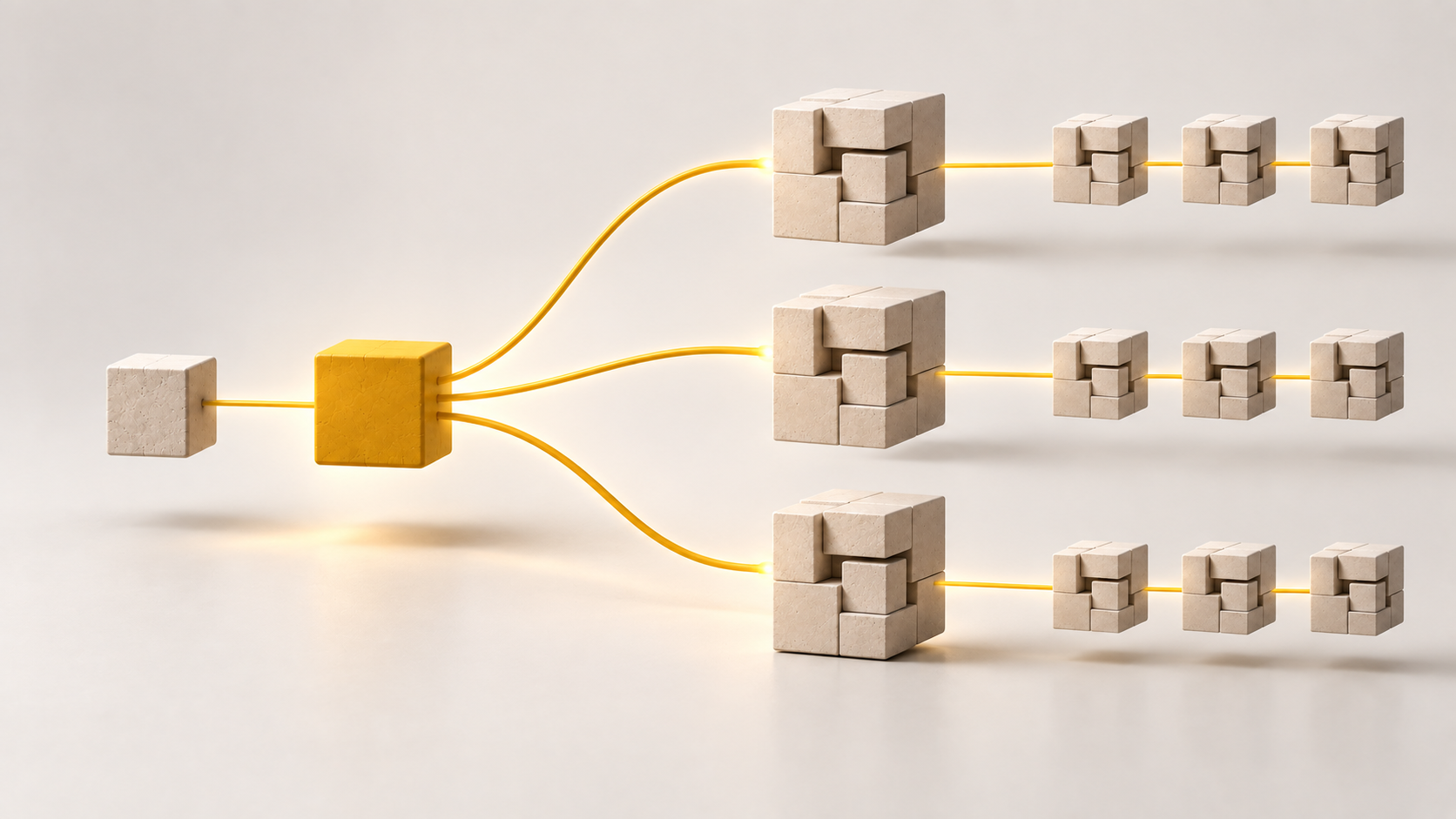
Do not correct
the product.
Correct
the process.
03 — From correcting the product to building a system
This is the transition we consider most interesting.
Not just asking:
“How do we correct this garment?”
but:
“Why did we have to correct it?”
The second question takes us much further.
It can reveal a size chart that is no longer consistent with the market, fit criteria that are not shared, grading that needs verification, insufficient information in technical specifications, differences in interpretation between suppliers or a sample check that takes place too late.
Addressing these elements means transforming a succession of corrections into a replicable system.
This is where design and economic sustainability begin to coincide.
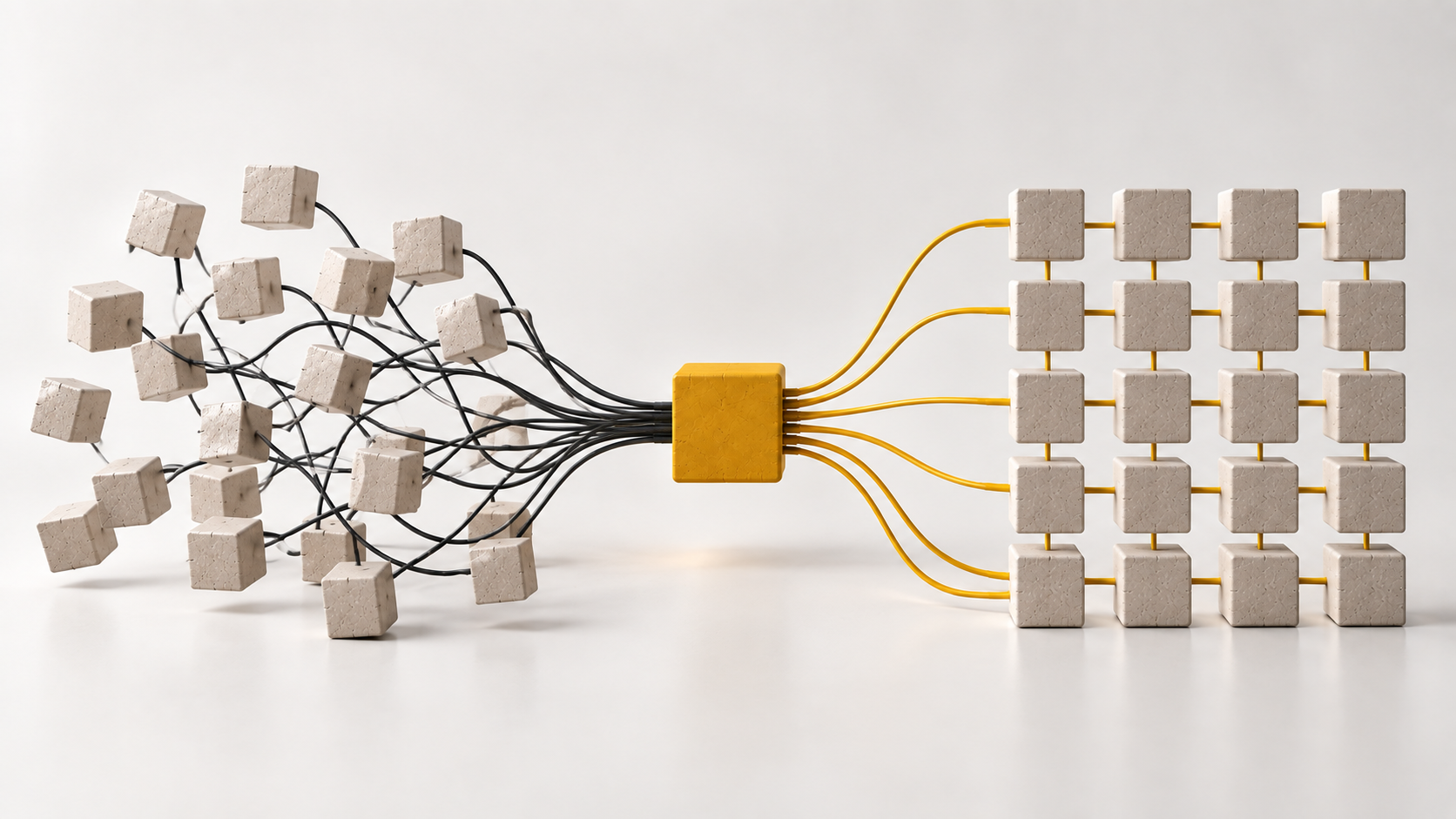
04 — Fewer samples. Fewer steps. More information.
Digital tools also gain value when used within this approach.
CAD pattern making, 3D simulation and tools such as CLO3D allow some checks to be brought forward, before the physical prototype is made.
But technology alone does not make a process sustainable.
If the initial measurements are wrong, the desired fit is undefined or there is no shared technical criterion, digitising simply means speeding up a process that continues to have the same problems.
The advantage comes when technical expertise, data and digital tools work together.
At that point, it is possible to verify earlier, compare alternatives, reduce some physical iterations and reach prototyping with decisions that are already more developed.
- Less material used unnecessarily.
- Less transport.
- Less time wasted.
- Fewer revisions.
- Fewer repeated decisions.
05 — And turnover?
Economic sustainability is not just about what a company manages to save.
It is also about what it manages to sell more effectively.
If a product fits a wider proportion of its target customers correctly, if the customer finds greater consistency between styles and collections and if the brand manages to develop the product with greater control, the benefit is not limited to cost reduction.
It can translate into greater sales potential, fewer missed opportunities and a stronger relationship with the customer.
There is no universal percentage: every company must measure it using its own data.
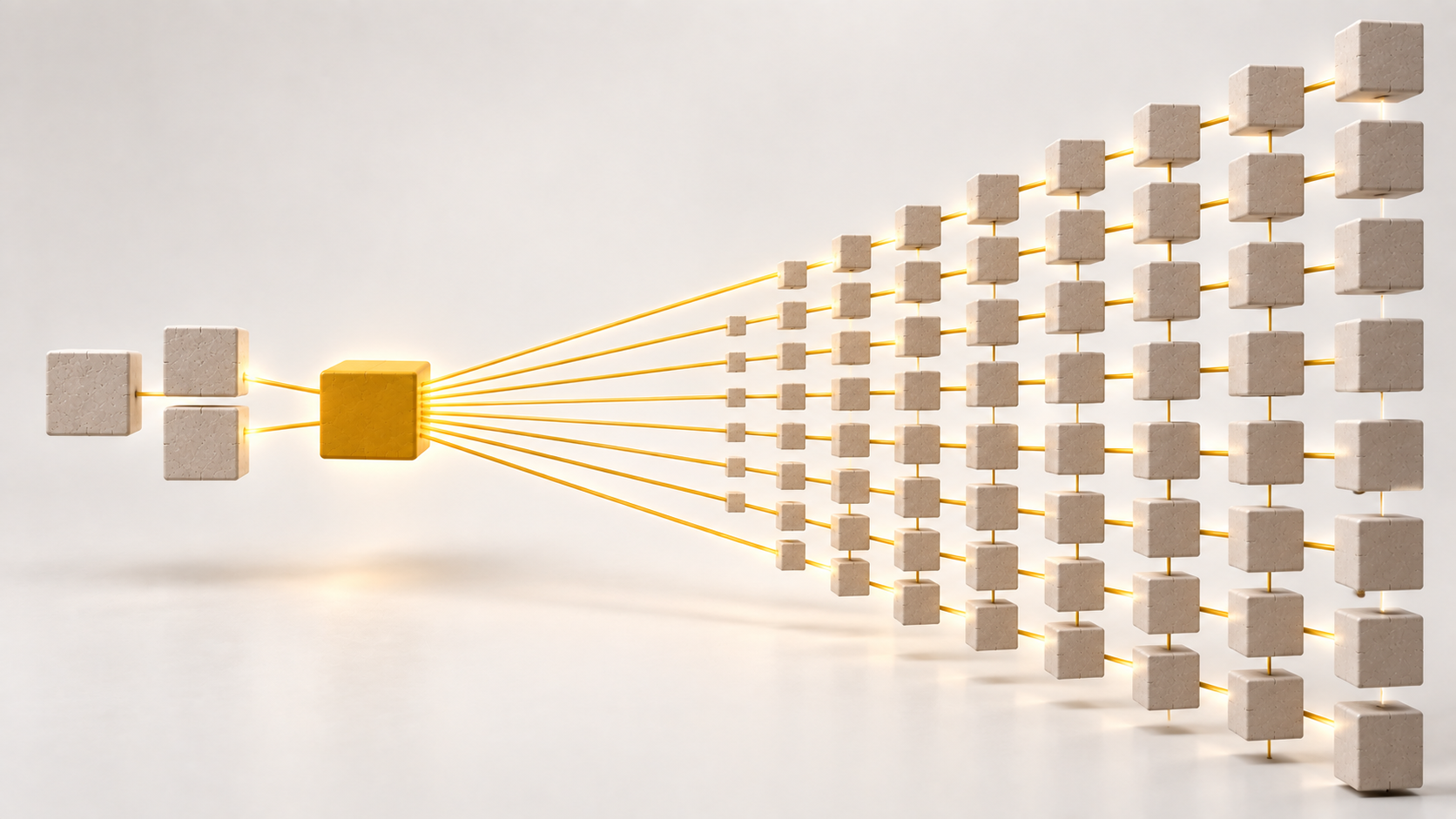
How much does an error cost?
Not just how much it costs to correct it.
How much does it cost to repeat it
across multiple styles,
multiple suppliers,
multiple collections
and thousands of garments?
How much turnover are we losing because the product does not fully meet the needs of the people we want to sell it to?
How much does it cost us every year to keep correcting the same problems?
06 — Sustainability as an asset
Perhaps this is the aspect that is discussed least.
A sample is used and then replaced.
A correction solves an immediate problem.
A well-designed system, by contrast, remains.
A verified pattern block, a size chart developed for the target customer, consistent grading, codified fit criteria, control procedures and structured technical information become assets of the company.

The more they are used, the more the initial investment is spread over time.
For this reason, we do not necessarily see environmental sustainability and economic sustainability as two separate subjects.
When a process uses less material, less time, less transport, fewer samples and less repeated work, it reduces physical and economic waste simultaneously.
And when that same process helps create products more closely aligned with the customer, it can also create new revenue opportunities.
Producing better
does not mean
simply
producing less.
Wasting less
to create
more value.
Rome Future Week 2026 / MATERIA PRIMA
The invisible process
This is also what we will discuss during MATERIA PRIMA | The invisible process, 55SENSI's project for Rome Future Week 2026.
Because behind a product there are not just materials and manufacturing operations. There is information, and there are decisions, skills and checks.
And this is often where that product's sustainability is determined, even before it is produced.
- Date
- 25 September 2026
- Time
- 11:00–12:30
- Location
- Palazzo Valentini · Via IV Novembre 119/A, Rome

Roberta Masci
Co-Founder — 55SENSI
Research, Product Development & MorphoCode™
“Sustainability begins with the decisions we will not have to repeat.”